



In the pursuit of a truly energy-efficient home, installing a tankless water heater offers a compelling blend of immediate savings, long-term reliability, and a reduced environmental footprint. Unlike traditional tank models that constantly heat and reheat water, tankless systems provide hot water on demand, eliminating standby energy loss and significantly lowering utility bills.
In this article, we’ll explore the key benefits of tankless water heaters—from their compact design and extended lifespan to their superior performance and contribution to green home certifications—helping you understand why they are a smart upgrade for modern, efficiency-focused households.
How Do Tankless Water Heaters Deliver Energy Savings for Homes?
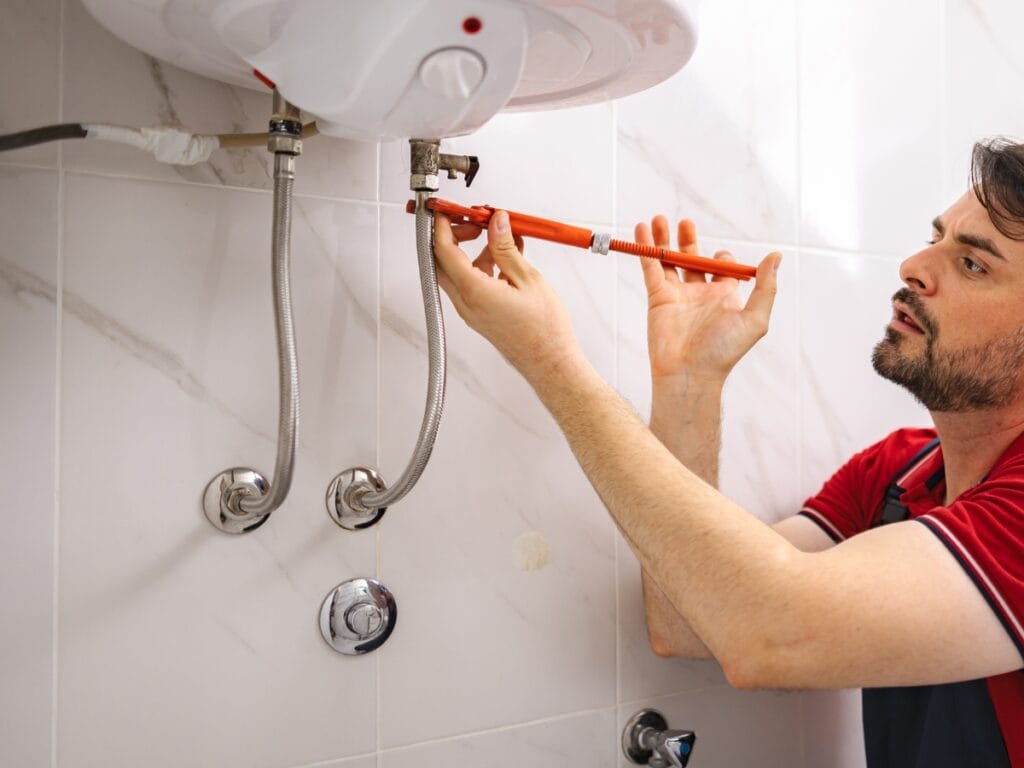
Tankless units cut energy use by heating water only as it passes through a compact heat exchanger — no stored water means no standby losses. A flow sensor plus a modulating burner or electric element matches heat output to the actual demand, so you’re not burning energy to keep a reservoir hot. That typically lowers household water‑heating consumption, especially in homes with intermittent hot water use, which shows up as lower monthly bills when compared to conventional tanks.
Knowing how UEF, standby loss, and modulation work together helps you estimate savings and choose between gas or electric tankless models based on your usage and local fuel prices. The sections that follow unpack the technical reasons for higher efficiency and include example savings calculations so you can see the potential real‑world impact.
What Makes Tankless Water Heaters More Efficient Than Traditional Tanks?
The biggest efficiency gain comes from eliminating standby heat loss — water in a storage tank cools and must be reheated, which wastes energy. Tankless systems use a flow sensor, a modulating heat source, and a compact heat exchanger so they only heat water when you open a tap, improving the unit’s effective UEF.
Modulation adjusts flame size or electrical draw to match flow, reducing overshoot and conserving fuel during low‑demand events while keeping temperature control tight. Heat‑exchanger materials and surface area affect performance and longevity, and proper venting keeps exhaust safe and efficiency consistent. Understanding these mechanical and control differences explains why tankless units often outperform storage tanks on energy use.
The table below summarizes typical efficiency differences and common use cases for each system type.
| System Type | Typical UEF Range | Standby Loss | Typical Use Case |
|---|---|---|---|
| Traditional Tank | 0.60 – 0.85 | Present, can be significant | High continuous demand or lower upfront cost preference |
| Tankless (Gas) | 0.80 – 0.95 | Minimal to none | Whole‑house or multi‑bath homes with on‑demand gas |
| Tankless (Electric) | 0.85 – 0.98 | Minimal to none | Point‑of‑use or small homes with sufficient electric capacity |
This comparison shows tankless units typically offer higher UEF and near‑zero standby loss — the main reason they save energy. Next we translate those efficiency gains into expected bill savings.
How Much Can Homeowners Save on Utility Bills with Tankless Water Heaters?
Savings depend on how much hot water you use. Lower‑use households often see reductions around 24–34%, while very high‑use homes may see 8–14% savings, depending on fuel type and habits. To estimate dollars, start with your annual water‑heating cost, apply the expected percent reduction based on UEF differences, and factor in local utility rates. For example, a $600 annual water‑heating bill reduced by 20% would save about $120 a year. Variables that change outcomes include household size, simultaneous hot water demand, incoming water temperature, and whether you switch fuel types. Those elements determine payback time and help you pick the right size and model to maximize financial benefit.
What Are The Main Advantages Of On Demand Hot Water From Tankless Systems?
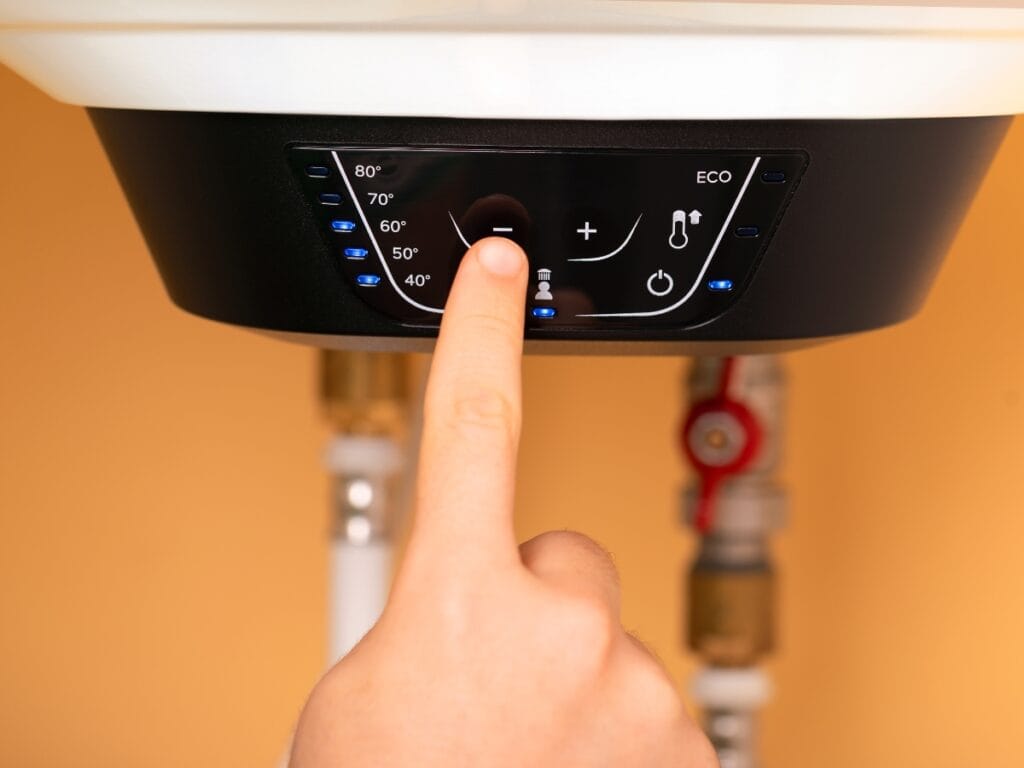
When homeowners start comparing options for upgrading their hot water, the benefits of tankless water heaters usually stand out quickly. Instead of storing a large volume of heated water in a tank, these systems heat water only as it is needed, which changes both day-to-day comfort and long-term operating costs. A properly sized tankless unit can provide a near continuous supply of hot water during regular use, which means fewer cold surprises in the shower and less juggling of laundry, dishwashing, and bathing schedules.
Because water is not reheated again and again while it sits in a storage tank, standby energy losses are dramatically reduced. This higher efficiency can translate into lower monthly utility bills, especially in homes with steady hot water use. Tankless units are also compact and usually wall-mounted, so they free up floor space in closets, basements, or utility rooms. Another advantage is the lower risk of a catastrophic tank leak, since there is no large storage vessel that can fail and release dozens of gallons of water at once. Together, these practical benefits of tankless water heaters make them appealing for both new construction and replacement projects where efficiency, space, and reliability all matter.
How Does On Demand Heating Provide An Endless Hot Water Supply?
Tankless systems rely on flow sensing and rapid heating to deliver hot water as long as demand continues. When a hot water tap opens, a sensor inside the unit detects flow and signals the burner or electric elements to fire. The system then modulates its output to raise the incoming water to the set temperature while it moves through the heat exchanger. As long as the total flow rate from all open fixtures stays within the unit’s capacity, the temperature remains steady, and the supply feels endless.
The key technical factor is the unit’s rated gallons per minute (GPM). This rating indicates how much hot water the system can produce at a given temperature rise. A single shower and a sink may fall well within that limit, while two showers, a dishwasher, and a washing machine running together might exceed it. If demand is higher than the rated GPM, temperature can drop or fixtures may not receive enough hot water. That is why sizing matters so much. Evaluating your peak usage patterns, local groundwater temperature, and desired setpoint helps you and your installer choose a unit or combination of units that can realistically keep up with your household.
Which Home Scenarios Benefit Most From Continuous Hot Water?
The benefits of tankless water heaters are most obvious in homes where several fixtures run at once or where hot water demand stretches across many hours of the day. Larger homes with multiple bathrooms, teenagers who take long showers, or households that frequently run laundry and the dishwasher in the evening are strong candidates for a whole house tankless system sized for peak demand. In these settings, a correctly designed system provides consistent comfort without the recovery delays that come with traditional storage tanks.
Smaller homes or condos with limited mechanical space often appreciate the compact footprint of a wall mounted unit. In these properties, gaining a closet or a bit more storage space can be as valuable as the energy savings. Point of use electric tankless units can also work well in specific locations such as a guest suite, office, or workshop sink, where running new hot water lines from a central tank would be costly or disruptive.
Renovations and additions offer another good opportunity to switch to tankless technology. When you are already opening walls or reworking plumbing, it is easier to relocate equipment, reroute venting, and plan for multiple units if needed. By matching system design to how the home is actually used, you can take full advantage of continuous hot water, reclaim useful space, and improve overall efficiency in a way that feels noticeable every day.
How Does The Lifespan Of Tankless Water Heaters Compare To Traditional Units?
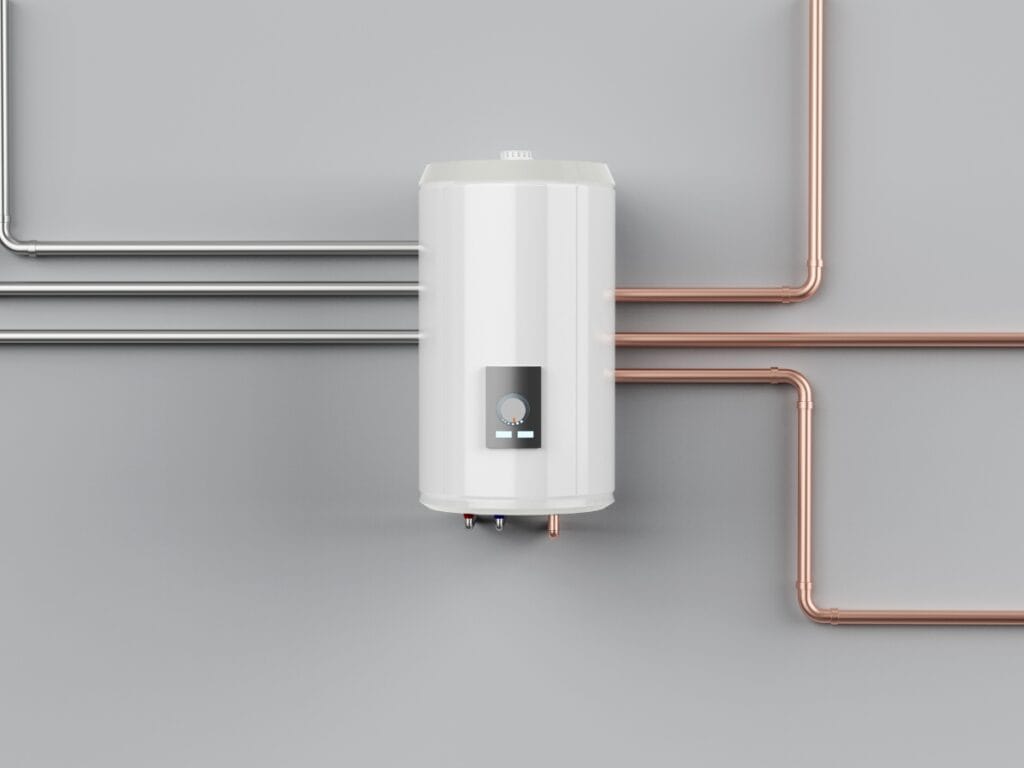
When homeowners start comparing the benefits of tankless water heaters to traditional storage tanks, lifespan is one of the biggest differences. A well-maintained tankless system often runs for 15 to 20 years or more, while most conventional tank heaters last around 10 to 15 years before corrosion or leaks force a full replacement. That extra service life changes the way you think about total ownership cost, because you are not cycling through new tanks as frequently.
Tankless models avoid one of the main failure points of traditional heaters: the large steel tank that slowly rusts from the inside. Instead, they use compact heat exchangers, sensors, and control boards that can be serviced or replaced individually. When something eventually wears out, you are often repairing a component instead of scrapping the whole unit. Over a couple of decades, that modular approach can be a real advantage.
The longer lifespan also means the efficiency benefits of tankless water heaters continue over more years. Because they only heat water when a tap opens, there is no energy lost keeping a big tank warm around the clock. Spreading the higher upfront cost across a longer working life and lower utility bills is a key reason many homeowners choose to upgrade.
What Maintenance Keeps A Tankless Unit Lasting Longer?
To actually reach that longer lifespan, tankless units do need consistent care. The most important task is descaling or flushing the system on a regular schedule to remove mineral buildup from the heat exchanger and internal passages. In areas with hard water, this might mean a full flush once a year; in softer water regions, you may be able to go a little longer. Skipping this step allows scale to build up, which reduces efficiency and puts extra stress on components.
Cleaning the inlet filter, checking venting and combustion air paths, and confirming that condensate drains are clear all help the unit run as designed. A quick visual check a few times a year, plus a more detailed inspection annually, will catch issues like small leaks, loose connections, or signs of overheating before they damage the heat exchanger or electronics.
Professional service is useful for tasks that are harder to do yourself, such as checking gas pressure and combustion on gas models or verifying electrical connections on electric units. A technician can also update you on the condition of key parts and recommend repairs before they turn into urgent failures. With that combination of homeowner maintenance and periodic professional checks, the benefits of tankless water heaters – from efficiency to reliability – are much more likely to hold up over time.
How Do Repair And Replacement Costs Differ Between Tankless And Traditional Heaters?
Repair and replacement patterns look different for tankless systems than for storage tanks. Traditional units usually fail when the tank itself corrodes or the anode is exhausted, and at that point replacement is almost always the only practical option. Even if the burner or elements still work, a compromised tank is a water damage risk that cannot be ignored.
Tankless heaters, on the other hand, are more likely to need work on specific parts such as sensors, gas valves, heat exchangers, or control boards. Individual components can be replaced, and while some of those parts carry a noticeable price tag, they often cost less than installing a brand new system. When you factor in the longer expected lifespan, the average yearly cost of ownership can compare very favorably to a series of tank replacements.
Of course, that math only works if maintenance is done on schedule. A neglected tankless unit that is never flushed or inspected can fail early and erase many of the potential savings. Taking a long view, and planning for regular care from the start, is the best way to make sure you experience the full benefits of tankless water heaters in your home.
What Are the Installation Costs and Process for Tankless Water Heaters in Northwest Georgia?
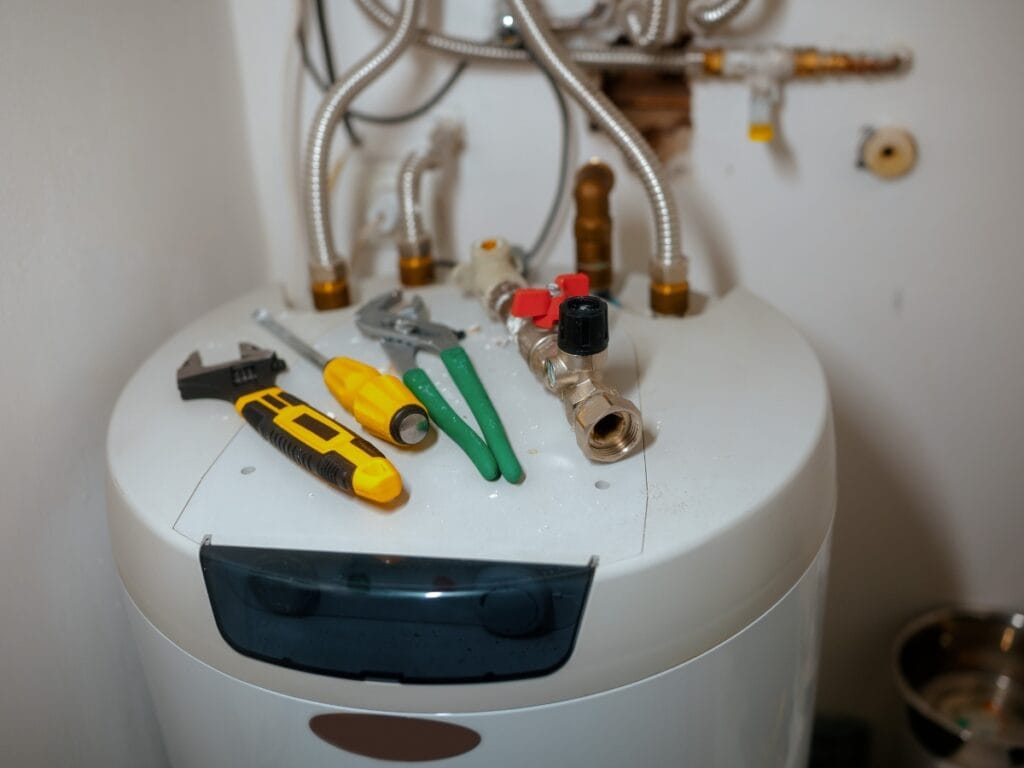
In Northwest Georgia, installation costs vary by unit type, venting complexity, gas‑line upgrades, and labor — typical total quotes often fall between $2,500 and $6,000+ depending on the job. The process starts with a site assessment to confirm fuel availability, venting routes, and electrical capacity, then moves to permitting, any required modifications (venting or gas/electrical work), mounting, and final commissioning with safety checks. Local labor rates, permit fees, and whether you need a new vent chase or condensate management can shift the final price, so clear cost breakdowns help homeowners compare bids. Below is a component breakdown showing where expenses commonly appear in a Northwest Georgia context.
| Component | Attribute | Typical Cost Range |
|---|---|---|
| Unit (whole-house) | Capacity varies by GPM and fuel type | $900 – $2,500 |
| Labor & Installation | Includes venting, mounting, and hookups | $800 – $2,500 |
| Venting / Condensing Work | Direct-vent or power-vent options | $200 – $800 |
| Gas Line Upgrade / Electrical Work | New lines, panels, or breakers | $300 – $1,200 |
| Permits & Inspections | Local municipal fees and inspections | $50 – $300 |
Use this breakdown to anticipate where costs come from and what to ask contractors. The checklist below highlights common factors that affect pricing and complexity.
- Unit type and capacity have the biggest impact on baseline cost and sizing needs.
- Existing venting, gas capacity, and electrical panel readiness determine required modifications.
- Permits and local inspections add fixed costs that vary by municipality.
These points help you review quotes and choose installers who handle permits and local code requirements. After understanding costs, check for incentives that can offset installation expenses.
What Factors Drive Tankless Installation Pricing?
Price depends on whether the unit runs on gas or electricity, the GPM needed for your peak demand, venting condition and path, and whether gas or electrical service upgrades are required. Retrofits using existing venting and supply lines cost less than complex installs that need new vent chases, gas upgrades, or panel work. Labor rates across Metro Atlanta and Northwest Georgia influence total cost, and permit complexity in cities like Marietta or Kennesaw can add time and expense. Thinking in low, medium, and high complexity scenarios helps set realistic expectations and choose the right bids.
Are There Local Rebates or Incentives for Tankless Water Heaters?
Federal tax credits, state incentives, and occasional utility rebates may help offset the cost of high‑efficiency water heaters, but programs change over time — always verify current availability before budgeting. ENERGY STAR listings and federal credits sometimes apply to qualifying models, and some Georgia utilities run periodic rebate programs or incentives for fuel‑switch projects. You’ll usually need the product model, purchase proof, and contractor installation verification when applying, so keep invoices and permits. Local installers often help identify eligible programs and supply the documentation needed for rebate claims.
How Do Tankless Water Heaters Save Space And Fit Modern Home Designs?
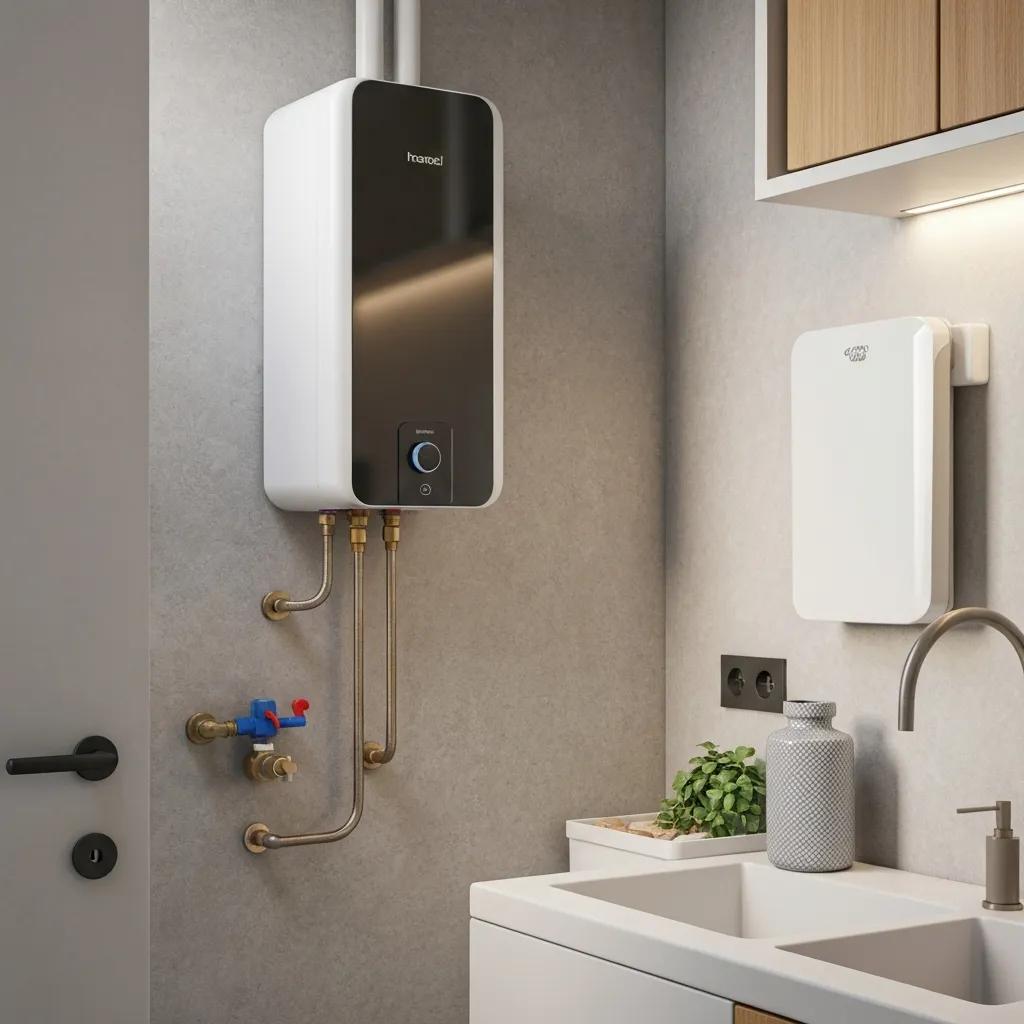
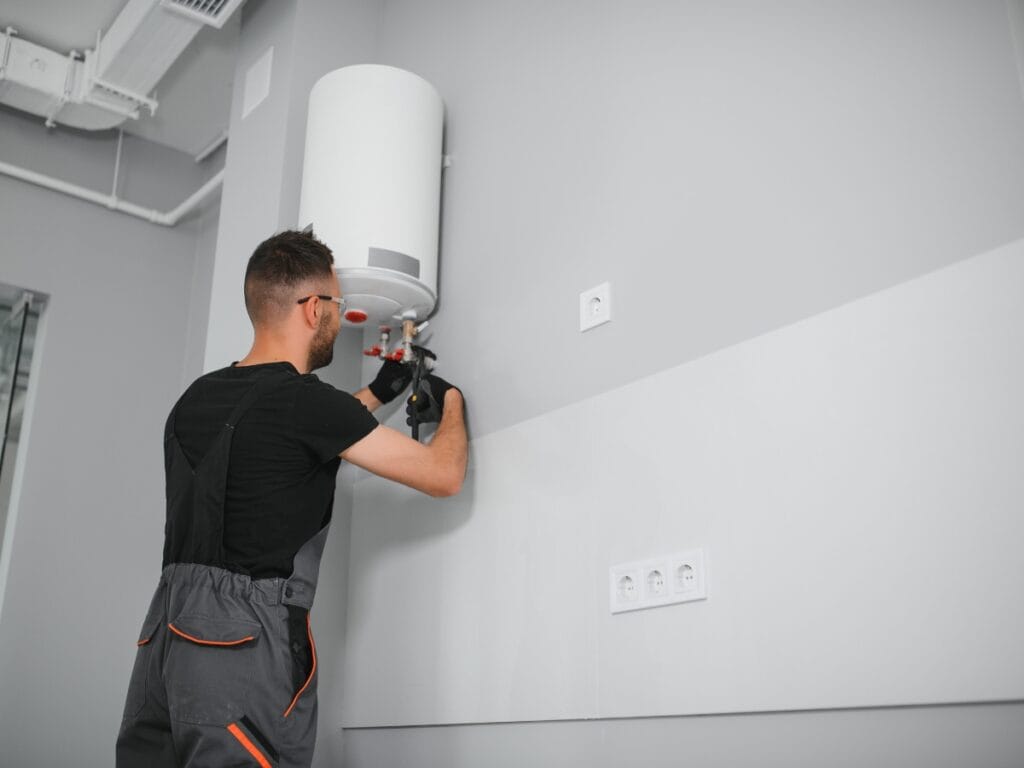
One of the most noticeable benefits of tankless water heaters is the way they open up space that a traditional tank would normally occupy. Instead of a large cylinder sitting in the corner of a garage, basement, or utility closet, you have a compact unit mounted on the wall. That change alone can turn a cramped mechanical room into a usable storage area or give you space to relocate shelving, a laundry station, or cleaning supplies. In smaller homes, townhomes, and renovations where every square foot matters, that extra room can make daily life feel less crowded.
Tankless systems are built around a compact heat exchanger, control panel, and venting connection, so the entire package is designed to sit flush against a wall with only a modest projection. Because they do not need to accommodate a full tank of stored water, they avoid the large footprint that often dictates where a traditional heater can go. Many models are rated for installation in closets, utility rooms, or even on exterior walls in suitable climates, which lets designers and homeowners treat hot water as a background feature instead of a space hog.
From a design standpoint, this flexibility pairs well with modern open layouts and clean-lined interiors. You can locate a tankless unit in a tucked-away corner or behind a discreet access panel, keep it out of main sightlines, and still enjoy the practical benefits of tankless water heaters throughout the home. For people planning a remodel, this often becomes the moment to rethink where mechanical systems live and how they affect traffic flow and storage.
What Design Features Make Tankless Units Compact And Flexible?
Several design choices work together to make tankless units so adaptable. The first is the narrow, vertical cabinet that allows wall mounting in places where a floor-standing tank simply would not fit, such as under a staircase or on a short section of wall near the garage entry. Inside that cabinet, the burner or electric elements, heat exchanger, and control electronics are stacked efficiently to keep dimensions tight without sacrificing performance.
Venting options also support flexibility. Gas tankless models typically use direct venting through an exterior wall or roof, which lets installers place the unit close to the outside and run a short vent path instead of tying into an existing chimney. Condensing models need a small condensate drain, but in return they allow the use of lower temperature exhaust and more routing options. Electric tankless water heaters remove the need for combustion venting entirely, so in some homes they can be located in interior spaces as long as electrical capacity is available.
These design features make it easier to bring hot water closer to the fixtures that use it most. A tankless unit mounted on an exterior wall near a kitchen or primary bathroom reduces the length of hot water piping, which can shorten wait times at the tap and cut standby losses in the lines. In larger or multi-story homes, some owners choose a main whole-house tankless heater along with one or two small point-of-use units near remote bathrooms. That combination takes the benefits of tankless water heaters and spreads them across the floor plan, improving both comfort and layout.
Overall, the compact form, flexible venting, and wall-mounted design turn tankless systems into a useful tool for modernizing utility areas. Instead of designing around a bulky tank, you can design the space you want, then fit the hot water system into it with far fewer compromises.
Why Should Northwest Georgia Homeowners Choose JW Plumbing Pros For Tankless Services?
For homeowners who want to enjoy the benefits of tankless water heaters without guesswork, having a local, experienced installer matters as much as choosing the right unit. JW Plumbing Pros serves Northwest Georgia and the greater Metro Atlanta area, working in communities like Dallas, Acworth, Kennesaw, Marietta, and Woodstock. Because our team focuses on residential systems, we understand how local water quality, fuel availability, and typical floor plans affect real-world performance and sizing.
Instead of a one size fits all approach, we look at your home’s square footage, number of bathrooms, and usage patterns before recommending a gas or electric tankless option. That process helps you see both the upfront cost and the long-term benefits of tankless water heaters, including potential energy savings and space recovery. Free estimates and clear, written scopes of work make it easier to compare options and decide whether a tankless upgrade fits your budget and goals.
What Makes JW Plumbing Pros Experienced With Tankless Installation And Repair?
Tankless systems are different from traditional tanks, so hands-on experience with venting, gas lines, electrical capacity, and condensate management is essential. JW Plumbing Pros has spent years installing and servicing both tank and tankless water heaters in Northwest Georgia homes, which means we are familiar with local building codes, inspection requirements, and typical retrofit challenges in older and newer construction.
That experience shows up in the details. Properly sizing a tankless unit for simultaneous showers, laundry, and dishwashing requires careful calculation of flow rates and temperature rise. Correct venting and gas or electrical connections protect efficiency and safety. During an assessment, we explain these factors in plain language so you know why a specific model is recommended and what to expect from it over time. Because we also handle general residential plumbing work, we can address related issues such as aging water lines, shutoff valves, or drain concerns during the same project, which keeps your system cohesive instead of pieced together.
Local knowledge also matters when it comes to rebates, permits, and inspection timelines. Our familiarity with regional programs and municipality requirements helps streamline scheduling and reduces surprises that can delay hot water when you are eager to enjoy the benefits of tankless water heaters.
How Can Homeowners Request A Free Estimate Or Consultation?
Getting started with a tankless project is straightforward. Most homeowners begin with a conversation about their current system, hot-water frustrations, and long-term plans for the home. Basic details such as home size, number of full and half baths, the age and type of the existing water heater, and any known issues with water pressure or hard water help us prepare an accurate recommendation.
From there, JW Plumbing Pros typically schedules an onsite visit to confirm venting paths, gas or electrical capacity, and placement options. After the visit, you receive a clear written estimate that outlines recommended models, expected efficiency, the scope of installation work, and typical timelines for permitting and inspection in your city. This step-by-step approach lets you compare tankless options side by side, understand both costs and savings, and plan the installation around your schedule.
By combining local expertise, transparent estimates, and a focus on long-term performance, JW Plumbing Pros gives Northwest Georgia homeowners a practical path from research to a completed tankless installation that fits both the home and the household’s routines.
Frequently Asked Questions
What Are The Environmental Benefits Of Using Tankless Water Heaters?
One of the most important benefits of tankless water heaters is their ability to cut energy waste. Because they heat water only when a tap is turned on, they avoid the constant reheating cycles that traditional tanks use. That reduction in standby energy use lowers the fuel or electricity needed to run your home, which in turn reduces the emissions tied to energy production. Tankless units also tend to last longer than standard tanks, so fewer systems end up in landfills over time. When you combine a longer service life with lower day-to-day energy use, the environmental benefits of tankless water heaters become a meaningful part of an overall efficiency upgrade.
Can Tankless Water Heaters Be Installed In Any Home?
Most homes can support a tankless system, but the path to installation looks different from house to house. The existing plumbing layout, gas or electrical capacity, venting options, and available wall space all play a role. Newer homes with updated utilities often transition easily, while older homes may need panel upgrades, new gas lines, or small plumbing changes. A site visit and load calculation are usually the best way to confirm whether a single whole-house unit or a combination of smaller units will perform reliably in your specific home.
How Do Tankless Water Heaters Perform In Colder Climates?
In colder climates, tankless units must raise the temperature of incoming water by a larger amount, which can limit how many fixtures they can support at once. Performance is still strong when the system is properly sized for the local groundwater temperature and expected demand. Larger or multiple units, pipe insulation, and thoughtful placement inside conditioned space help maintain comfortable flow and temperature. The key is matching the equipment to the region rather than assuming a one-size-fits-all model will work in every climate.
What Are Common Misconceptions About Tankless Water Heaters?
A frequent misconception is that tankless systems provide endless hot water no matter how many fixtures are running. In reality, they deliver continuous hot water only up to their rated flow; if demand exceeds that limit, output temperature can drop. Another common misunderstanding is that tankless systems are maintenance-free. They still need descaling in areas with hard water, periodic filter checks, and inspections of venting and safety components. Understanding these points helps homeowners weigh the true benefits of tankless water heaters without unreal expectations.
Are Tankless Water Heaters Noisy During Operation?
Most modern tankless models are relatively quiet in everyday use. You may hear the burner ignite, a fan ramp up, or water moving through the unit, but these sounds typically fade into the background once the system is installed in a suitable location. If noise is a concern, a plumber can recommend models that are designed for low sound levels and suggest placements that keep operational noise away from bedrooms and living spaces.
What Should Homeowners Consider When Sizing A Tankless Water Heater?
Proper sizing starts with identifying peak hot-water demand in gallons per minute. That calculation includes how many showers, sinks, appliances, and other fixtures might run at the same time. The incoming water temperature and your preferred output temperature also matter, because a greater temperature rise reduces the flow a single unit can support. A professional will combine these factors to recommend a unit or configuration that meets demand without oversizing, which protects both comfort and efficiency.
How Do Tankless Water Heaters Affect Home Resale Value?
Efficiency upgrades are increasingly important to buyers, and a well-installed tankless system often reads as a modern, desirable feature. The combination of space savings, lower energy use, and perceived longevity can make a listing stand out, especially in markets where buyers pay attention to utility costs. While the exact impact on sale price varies by area, documented installation, visible maintenance records, and clear explanations of the benefits of tankless water heaters typically enhance overall resale appeal.
Conclusion
Tankless water heaters are a powerful upgrade for any energy-efficient home, providing endless hot water on demand while significantly reducing monthly utility bills and your carbon footprint. At JW Plumbing Pros, we specialize in professional tankless system installation and plumbing repair services , ensuring optimal performance and long-term savings for your household. Ready to upgrade your home’s efficiency? Call 770-635-5159 or request your free quote online today—and start enjoying the benefits of a smarter, more sustainable water heating solution.