






Owning an older home comes with unique charm and character, but it also often means facing a set of predictable and persistent plumbing problems rooted in aging materials and outdated systems. From corroded galvanized pipes and recurring drain clogs to faulty shut-off valves and low water pressure, these issues can disrupt daily life and lead to costly water damage if left unaddressed—making reliable plumbing repair services essential for maintaining a safe and functional home.
In this article, we’ll walk you through the most common plumbing problems in old houses, explain their causes, and offer practical solutions—both temporary fixes and long-term upgrades—to help you preserve the integrity of your home while ensuring reliable performance for years to come.
What Are The Most Common Plumbing Problems In Old Houses?
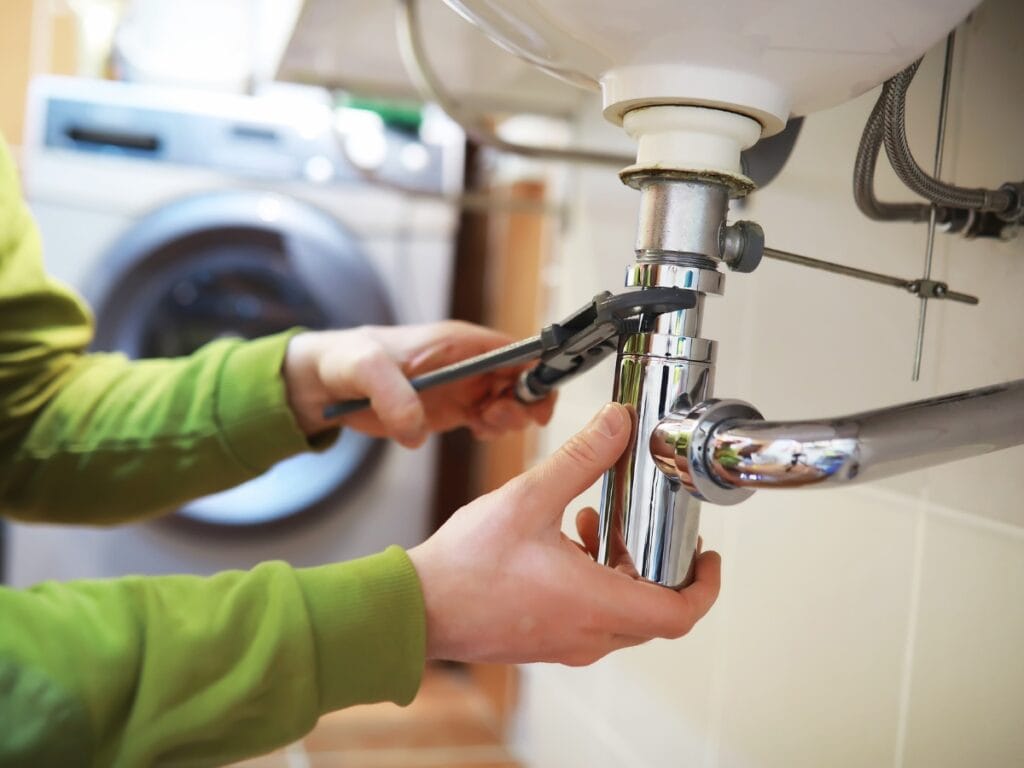
Older homes usually face a predictable set of plumbing issues that come from aging materials, past repairs, and gradual changes in the soil and structure around the house. The most common plumbing problems in old houses include corroded or outdated pipes, slow but persistent leaks around fittings, low water pressure, recurring drain clogs, and sewer line trouble from roots or sagging sections. These issues rarely appear in isolation. A pipe that is starting to corrode can affect water quality and pressure at the same time, while a compromised sewer line increases the risk of backups, slow drains, and damage in the yard—often requiring professional water line repair services to prevent further deterioration.
Many older homes have been updated in stages, so it is common to find several different pipe materials behind the walls and under the floors. Galvanized steel, cast iron, copper, lead, and early plastics such as polybutylene all age in different ways. Pay attention to the color of the pipe, the type of fittings, and whether threads are visible. Those clues help you figure out what you are working with. Once you know the materials in your system, it becomes easier to judge whether a small repair is enough or whether you are dealing with one of the common plumbing problems in old houses that really calls for repiping or a larger upgrade.
Leaks, low pressure, and repeated clogs all affect daily life and long-term home health. A slow leak under a sink or in a crawlspace can raise your water bill, damage cabinets or framing, and create the kind of damp environment that encourages mold. Low water pressure often points to mineral buildup inside old pipes, partially closed shutoff valves, or a failing service line from the street, and any of those can put extra strain on fixtures and appliances. When clogs show up in more than one fixture at the same time, especially on the lowest level of the house, that is often a sign that the main drain or sewer line has a deeper blockage or damage.
How To Spot Problems Early In An Older Home
Catching trouble early is the best way to limit repair costs and protect an older house. Simple checks go a long way. Look under sinks and around toilets for signs of moisture, staining, or soft spots in wood. Listen for pipes that bang, rattle, or whistle when you turn fixtures on and off, since that can indicate loose supports, water hammer, or pressure issues. Test an outdoor spigot to see whether the pressure there is noticeably stronger than inside, which can hint at restrictions in interior lines.
Pay attention to how your drains behave over time. A single slow sink usually means a local clog in the trap or branch line, but slow draining across several fixtures or gurgling sounds from a tub when a toilet is flushed are clues that the main line needs attention. Discolored water, metallic tastes, or visible flakes in the water can signal interior pipe corrosion, especially in homes with galvanized or very old copper piping.
Because common plumbing problems in old houses tend to worsen gradually, small changes are easy to ignore. Keeping a simple log of recurring issues, such as which drains clog and how often you see pressure drops, helps you spot patterns instead of treating each event as a one-off annoyance. With that information in hand, you can make a more informed decision about when to schedule inspections, plan for targeted repairs, or budget for larger projects that bring an older plumbing system up to current standards.
How Can You Identify and Replace Outdated Pipes Like Lead and Galvanized Steel?
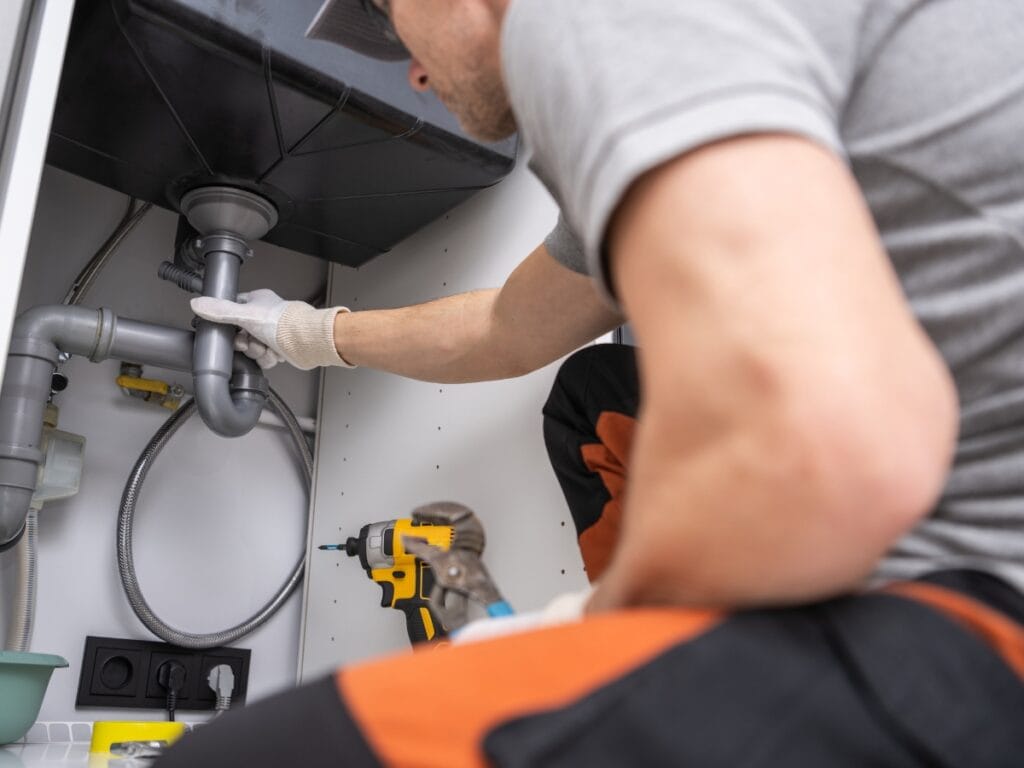
Many of the most common plumbing problems in old houses start with the pipes themselves. Materials that were standard decades ago, such as lead and galvanized steel, age in very different ways and can create both performance issues and health concerns. Learning how to recognize these pipes and the warning signs they produce helps you decide what needs urgent attention and what can be planned as part of a longer-term upgrade.
Lead supply lines usually appear as a dull, soft gray metal. The pipe often looks slightly bendable, and you may see smooth curves or older soldered joints where it connects to copper. Because lead can leach into drinking water, any suspected lead pipe is treated as a high priority. Galvanized steel, on the other hand, is heavier and harder. It typically has threaded fittings, a more rigid profile, and may show patches of surface rust. Inside, galvanized pipes tend to collect mineral scale, which narrows the opening, reduces flow, and can discolor water.
Signs that these older materials are failing often show up first at fixtures. Water that runs brown, yellow, or slightly cloudy, a metallic taste at certain taps, rust flakes in aerators, or a steady drop in water pressure can all point to internal corrosion. If you suspect lead, avoid using that tap for drinking or cooking, rely on cold water rather than hot for any temporary use, and arrange a certified water test so you have clear information about risk. With galvanized steel, expect more performance issues than direct toxicity. Scale buildup and pinhole leaks are common and may show up as damp spots, small stains, or inconsistent pressure from one part of the house to another.
Because many common plumbing problems in old houses are hidden inside walls or under floors, it helps to think in terms of a sequence when replacement is on the table. A typical approach starts with a full inspection and mapping of the existing system so you know which runs are lead, which are galvanized, and where any newer materials have already been installed. In many areas, permits are required for supply line work, so code requirements and inspection steps are considered early.
Once there is a clear plan, you and your plumber can decide between selective replacement in the worst areas or a whole-house repipe using modern materials such as PEX or copper. The choice often depends on house size, access to framing and crawlspaces, and how often you have already dealt with leaks or discolored water. After the new piping is in place, the system is pressure tested, flushed thoroughly, and the water is retested so you can document the improvement for your own records and for any future buyers.
The table below summarizes how common older pipe materials behave over time and what to watch for when you are evaluating an older home.
| Pipe Material | Typical Lifespan / Health Risk | Typical Problems | Identification Tips |
|---|---|---|---|
| Lead | 80–100 years / high health risk if in drinking water | Leaching, metallic taste, risk for infants and children | Dull gray, soft metal; smooth curves; older service lines; soldered lead joints |
| Galvanized steel | 35–50 years / low direct toxin risk, high corrosion risk | Internal scaling, rust colored water, reduced flow | Heavy gray pipe with threaded fittings; often magnetic; visible surface rust |
| Cast iron (drain lines) | 50–100 years / structural failure risk | Cracks, root intrusion, internal corrosion, sags | Thick, heavy pipe; flaking rust; noisy drains; multiple slow fixtures on same level |
| Polybutylene (early plastic) | 20–30 years / failure prone | Brittle fractures, joint failure | Gray flexible plastic, common from 1970s to 1990s; soft feel compared with modern PEX |
Understanding which of these materials is in your home helps you decide where immediate action is needed and where a planned replacement schedule makes more sense, which is often the key to managing both risk and budget in an older plumbing system.
How Do Sewer Line Problems Like Tree Root Intrusion and Pipe Bellies Impact Old Homes?
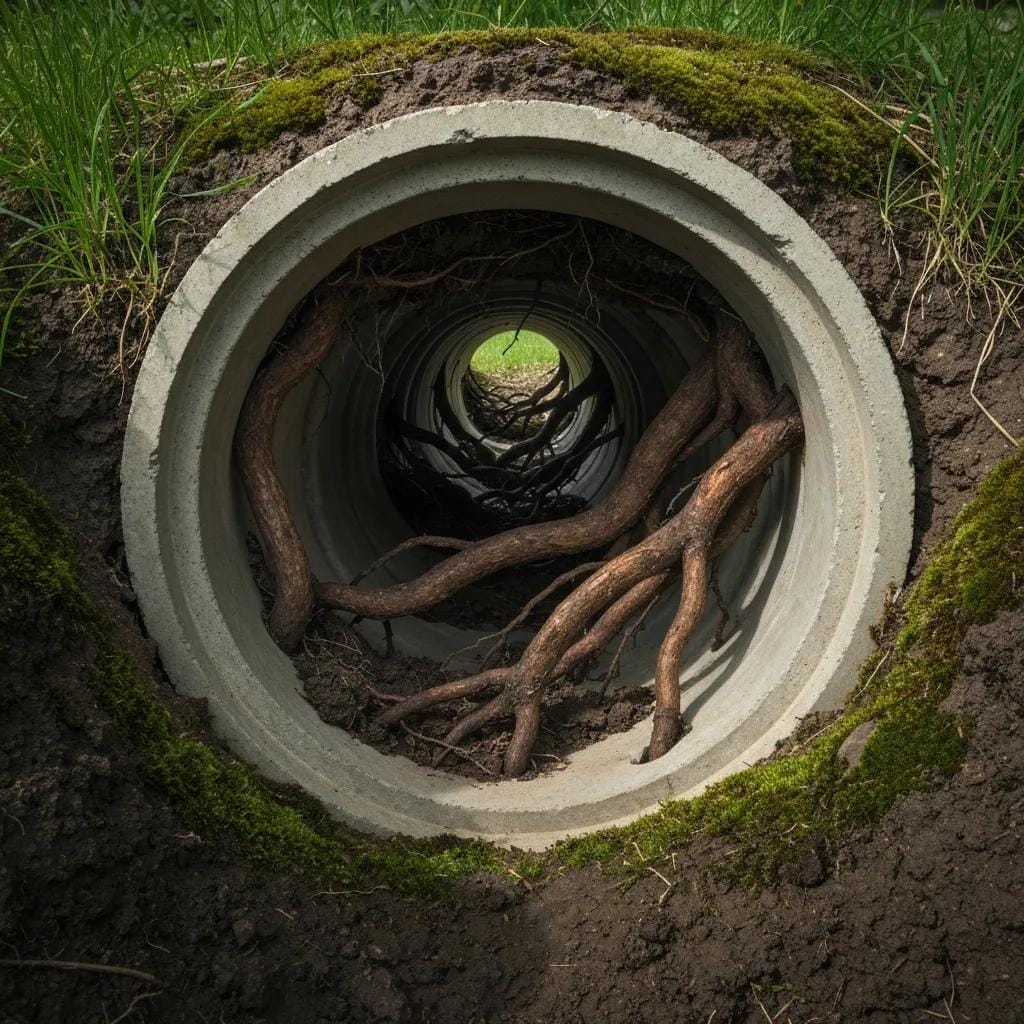
Sewer trouble sits near the top of the list of common plumbing problems in old houses because it affects the whole system, not just a single sink or toilet. In older homes, sewer lines have often shifted, settled, or worn out over decades. Two issues show up again and again: tree roots working their way into joints, and pipe bellies, which are low spots where the line has sagged. Roots follow moisture and nutrients, slip into tiny cracks or loose joints, then expand and create a mat that catches everything that passes. A pipe belly forms when the soil under the line washes away or compacts unevenly, creating a dip where solids collect and begin to rot. Both problems interfere with flow, create odors, and can eventually show up as wet spots or even sinkholes in the yard.
Because these issues are buried, you usually see symptoms long before you see the cause. Warning signs that point to sewer line trouble rather than a simple local clog include backups in more than one fixture, slow drains throughout the house, gurgling sounds from toilets or tubs when other fixtures are used, and sewage smells indoors or outside near the line. You might also notice damp or sunken areas in the yard along the path of the sewer. A single slow sink can still be a small fix, but repeated problems in different locations are a strong hint that the main line is struggling, which is very typical of common plumbing problems in old houses.
In the short term, it helps to treat the system gently until you know what is happening. Chemical drain cleaners are not a good solution for these situations and can damage older piping. Reducing water use, spacing out showers and laundry, and avoiding heavy use of lower-level fixtures can limit the risk of a full backup while you arrange a camera inspection. A sewer camera allows a plumber to see whether roots are present, where bellies or breaks are located, and how long each damaged section is.
Modern repair methods can often solve sewer issues without digging up the entire yard. Trenchless sewer repairs, such as Cured in Place Pipe (CIPP) lining and pipe bursting, are designed to rebuild or replace aging lines with less excavation and less disruption to mature landscaping or historic hardscape. CIPP involves installing a resin-coated sleeve inside the existing pipe, inflating it, and curing it in place so it hardens into a new liner. Pipe bursting pulls a new pipe through the path of the old one while fracturing the original line outward into the surrounding soil. Both options can restore flow and seal out roots, although badly collapsed sections, severe bellies, or major misalignment may still require traditional open trench replacement.
The table below summarizes how different sewer problems tend to appear and which repair strategies are commonly used.
| Sewer Problem | Warning Signs | Typical Repair Options |
|---|---|---|
| Tree root intrusion | Repeated backups, gurgling, slow drains in key areas | Trenchless CIPP lining, targeted excavation and repair |
| Pipe belly (sag) | Solids collecting, recurring clogs in multiple fixtures | Pipe replacement, sometimes trenchless bursting if feasible |
| Corroded or collapsed cast iron | Sewage surfacing, strong odors, wet spots in yard | Open cut replacement, higher disruption and cost |
| Joint separation | Intermittent backups, soil or debris in line | Spot repair or lining depending on length and location |
Understanding how root intrusion, bellies, and structural failures show up in day to day use makes it easier to respond quickly and plan repairs that protect both your yard and your foundation. For many older homes, thoughtful sewer work removes one of the most disruptive common plumbing problems in old houses and gives the system a fresh start for decades to come.
What Causes Low Water Pressure In Old Houses And How Can It Be Fixed?
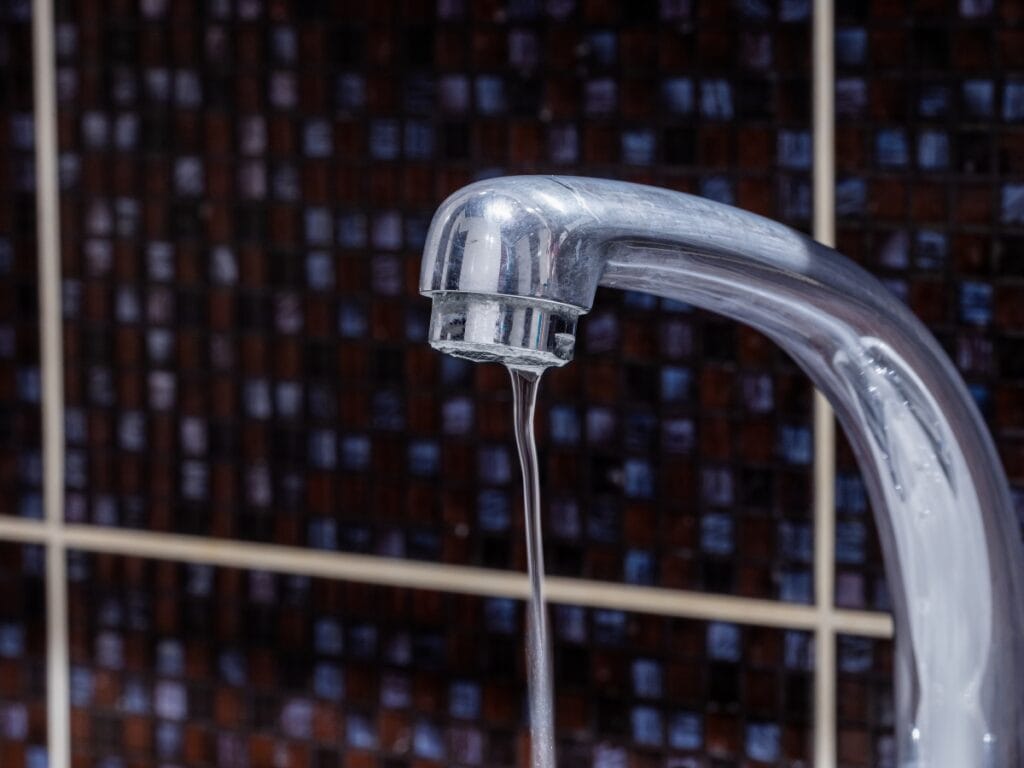
Low water pressure is one of the most frustrating common plumbing problems in old houses, and it usually has more than one cause. In many older homes the issue comes from a mix of internal corrosion, mineral scale that has built up over decades, pipes that were undersized for modern household demands, slow leaks that quietly steal flow, and sometimes problems with the municipal supply or a failing pressure-reducing valve (PRV). All of these causes have the same result at the faucet. The effective opening inside the pipe is smaller than it should be, or part of the system is losing volume before the water ever reaches your fixtures.
Diagnosing the source of low pressure in an older home works best if you walk through the system in order. Start with the supply coming into the house, then move through main shutoff valves, branch lines, and finally out to individual fixtures. Corroded galvanized or aging copper lines often create rough, narrowed passages inside the pipe, which slows water and increases friction, similar to what happens when you pinch a garden hose. Many older homes were also built with long runs of 1/2-inch pipe that performed reasonably when there were fewer fixtures. Modern households often run showers, laundry, dishwashers, and outdoor spigots at the same time, and those small lines simply cannot keep up.
A simple way to separate supply issues from interior restrictions is to test an outdoor hose bib that is close to where the water line enters the house. Time how long it takes to fill a one-gallon container. If the pressure is weak outside and inside, the problem may be with the municipal supply or the PRV. If the pressure outside is strong but fixtures inside are weak, that points to restrictions or partial closures in the interior plumbing, which is very typical of common plumbing problems in old houses. You can repeat the same test at different indoor fixtures to see if the issue is isolated to one bathroom or affects the entire home.
There are a few basic steps homeowners can try before planning major work. Cleaning faucet aerators and showerheads removes trapped debris that can make pressure feel lower than it really is. Checking that individual shutoff valves under sinks and behind toilets are fully open is another quick win. In some cases, flushing the main line or cleaning cartridge filters in newer valves can restore better flow. These simple tasks are low cost and often reveal whether the problem is superficial or something deeper in the system.
When low pressure is chronic and affects several fixtures, more substantial fixes may be needed. If corrosion has narrowed long sections of pipe, partial or full repiping with modern PEX or copper can restore capacity and improve both pressure and water quality. Homes that were built with very small diameter lines can benefit from upgraded main runs that are sized for current fixture counts. In some situations, especially where the municipal supply pressure is modest, a booster pump and pressure tank can help smooth out peak demand, although this works best once leaks and major restrictions have been addressed.
Hidden leaks deserve special attention. A sudden drop in pressure combined with higher water bills, damp spots, or running meters with all fixtures off may indicate a leak in a wall, crawlspace, or yard. Leak detection, targeted repairs, and replacement of the damaged section will protect the structure and restore some of the lost flow. If both indoor fixtures and the outdoor spigot show poor pressure and you have ruled out visible leaks, it is worth having a professional check the PRV and coordinate with the water provider, since an adjustment or replacement at that point in the system can sometimes resolve widespread low pressure without intrusive work inside the home.
The table below summarizes how some typical causes of low pressure tend to show up and what types of solutions are often considered.
| Cause | Common Symptoms | Typical Fix |
|---|---|---|
| Corroded interior pipes | Brown or discolored water, low flow at many fixtures | Partial or full repipe with modern materials |
| Undersized original lines | Good pressure alone, poor flow when several fixtures run | Repipe key runs with larger diameter piping |
| Hidden leaks | Sudden pressure drop, rising water bills, damp areas | Leak detection and localized repair |
| Municipal supply or PRV issues | Low pressure indoors and at outdoor spigot | PRV adjustment or replacement, coordination with utility |
By matching your symptoms to patterns like these, you can work out whether a quick repair, a targeted upgrade, or a larger project is the most sensible way to bring water pressure in an older home back to a comfortable, reliable level.
How Can Homeowners Prevent Plumbing Problems in Aging Homes?
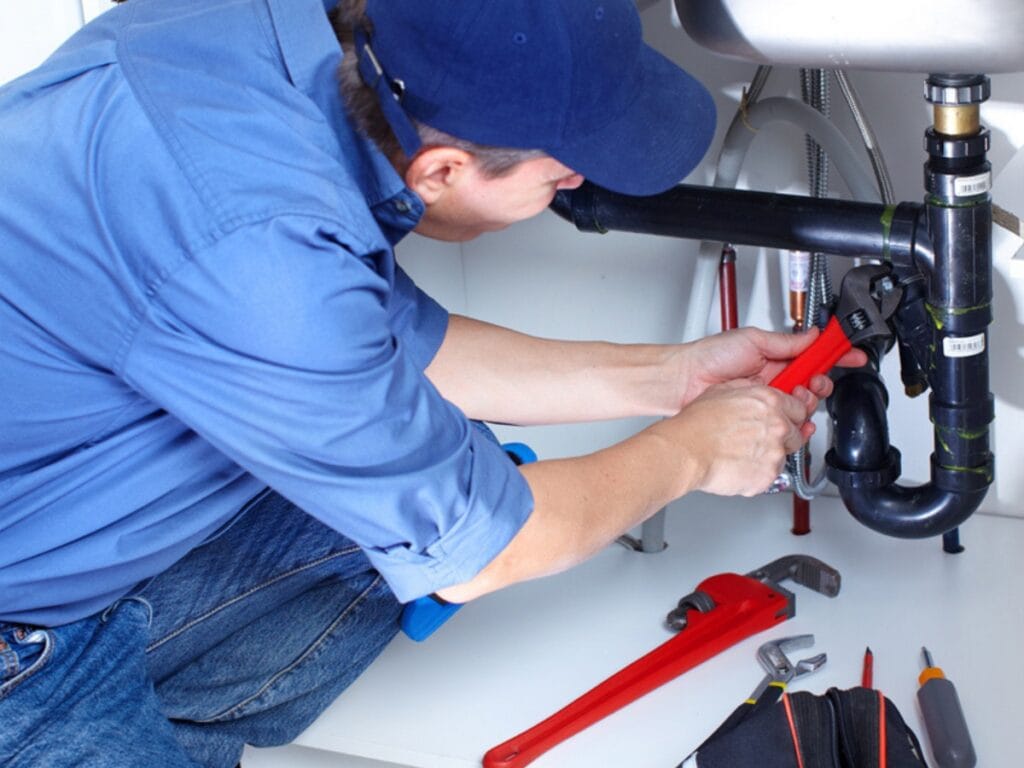
Preventing trouble is almost always cheaper than cleaning up after a leak or backup, especially in older homes where one small issue can uncover several more. A simple, steady maintenance routine can slow wear and catch developing issues before they turn into the most expensive common plumbing problems in old houses. Instead of waiting for a burst pipe or a sewage backup, think in terms of regular walk-throughs, light seasonal tasks, and a few well-chosen upgrades that strengthen the system without changing the character of the house.
A good starting point is a monthly visual check. Take a few minutes to look under sinks, around toilets, at the water heater, and along any exposed pipes in basements, crawlspaces, or utility rooms. You are checking for damp spots, rust, white mineral buildup, staining on nearby wood or drywall, and any musty smells. These small clues often appear long before there is standing water on the floor. At the same time, turn fixtures on and off and listen for banging, whistling, or rattling, which can suggest loose supports or pressure issues.
Every few months, add basic DIY care to that routine. Remove and clean faucet aerators and showerheads so debris and mineral scale do not reduce flow or create uneven spray patterns that feel like low pressure. Run hot water through little-used fixtures to move out stagnant water and help clear light buildup in drain lines. While you are doing this, watch how quickly sinks, tubs, and showers drain. A single slow fixture usually points to a local clog, but several sluggish fixtures can be an early clue that you are heading toward one of the more serious common plumbing problems in old houses, such as a partially blocked main line.
Once a year, it is worth bringing in a professional for a more thorough look at an aging system. An annual inspection might include checking water pressure at different points in the house, looking at shutoff valves and supply lines, and reviewing the age and condition of the water heater. Many homeowners also choose a periodic camera inspection of the main sewer line, especially in older neighborhoods with mature trees and original clay or cast-iron piping. That camera footage can reveal early root intrusion, pipe bellies, or corrosion before they show up as repeated backups or yard sinkholes.
Preventive work is not only about inspections and cleaning. Selective upgrades can quietly improve reliability without changing the look of an older home. Replacing very old toilets, faucets, and showerheads with quality, high-efficiency fixtures reduces water use and eases stress on aging supply and drain lines. When sections of pipe are clearly at the end of their life, targeted repiping with PEX or copper in those areas can reduce leak risk while you plan for larger projects over time. Adding modern shutoff valves in accessible locations also makes future maintenance and emergency response much easier.
It helps to keep a simple written log of what you see and when work is done. Note the date of each inspection, any small issues you notice, and the details of repairs or replacements. Over a few years, that record will show patterns, such as a drain that needs frequent clearing or a section of pipe that has leaked more than once. It also becomes a useful document for future professionals and a plus for buyers who want reassurance about the condition of an older plumbing system. With steady attention and a few strategic upgrades, many aging homes can avoid the most disruptive plumbing failures and keep their original charm intact.
Why Choose JW Plumbing Pros For Old House Plumbing Repairs In Northwest Georgia?
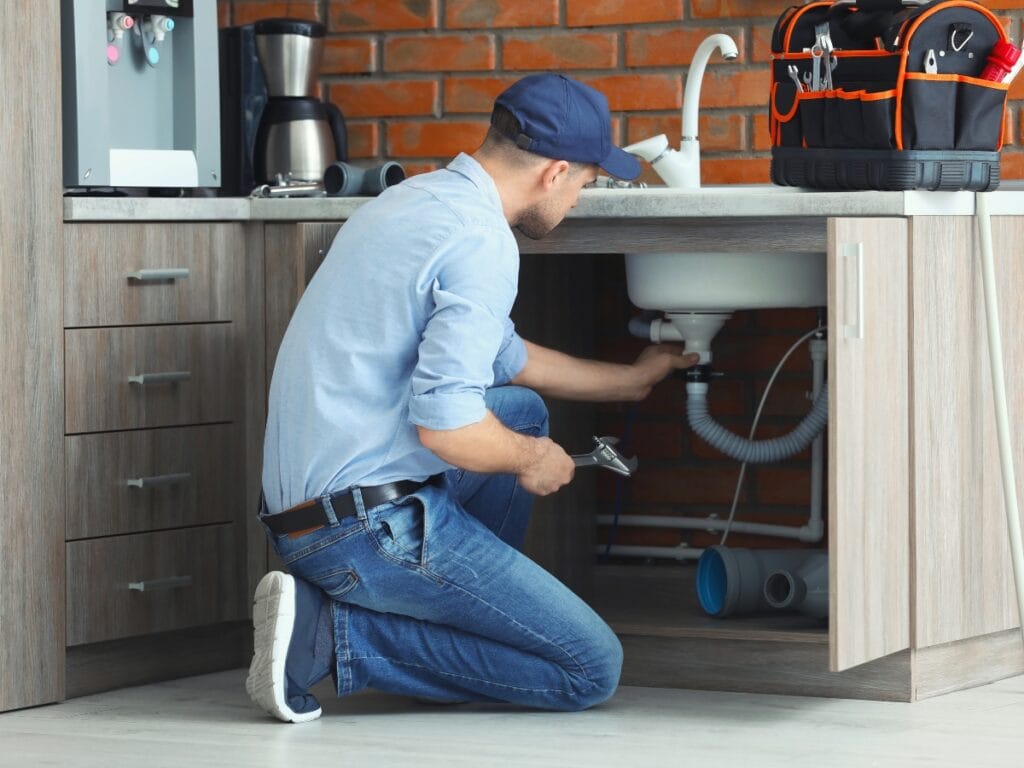
Older homes have a lot of charm, but they also tend to share the same headaches: aging supply lines, fragile drains, and hidden leaks that have developed over decades. Many of the most common plumbing problems in old houses show up together, which makes it important to work with a team that understands both historic construction and modern repair methods. JW Plumbing Pros is a local residential plumbing company serving Northwest Georgia with a strong focus on older properties. The team works with original materials such as lead, galvanized steel, cast iron, and early plastics, and approaches each job with practical fixes that respect the character of the home.
Instead of pushing a one-size-fits-all solution, JW Plumbing Pros starts with detailed inspections and clear proposals. That might mean mapping out which sections of pipe are still serviceable, which areas are most at risk for leaks, and where a targeted repipe or trenchless repair would make the biggest difference. Because the company is licensed and insured, technicians can handle permitting and code requirements while planning access points that protect finishes, trim, and other historic details. Homeowners see the options up front, whether that is selective repiping, full replacement, or trenchless lining for specific sewer segments.
Their service mix lines up directly with the issues that tend to show up in older properties. Leak tracking and repair, pressure restoration, and system balancing address day-to-day performance. Drain cleaning and root removal tackle recurring clogs and slow drains. Sewer and water line repairs, including trenchless methods where conditions allow, deal with bigger underground failures. Water heater maintenance and replacement round out the picture when older appliances are part of the problem, such as sending sediment into fixtures or struggling to keep up with demand.
What Specialized Services Does JW Plumbing Pros Offer For Historic Home Plumbing?
Historic and older homes often need more than basic repairs. JW Plumbing Pros offers selective and whole-house repiping, including removal of known risk materials such as lead and severely corroded galvanized lines. When sewer lines are structurally sound but infiltrated by roots or minor defects, trenchless options such as CIPP lining and pipe bursting can restore function while leaving landscaping and hardscape largely intact. This approach is especially useful when mature trees, original walkways, or historic exterior elements need to be preserved.
Drain cleaning is handled with a focus on cause, not just the symptom. For example, if a camera inspection shows root intrusion at specific joints, cleaning and follow-up repair can be targeted to those locations rather than repeated short-term clearings. Strategic repiping inside the home is planned to keep wall openings as small and accessible as possible, which matters in plaster, tile, or paneled spaces. All of these services are designed to reduce disruption while addressing the underlying common plumbing problems in old houses instead of masking them.
How Do Customer Reviews And Case Studies Demonstrate JW Plumbing Pros’ Expertise?
The strongest proof for any contractor comes from real projects. Case studies from JW Plumbing Pros usually follow a simple pattern: a persistent problem is documented, the team designs a focused repair, and the homeowner gains a more reliable system with minimal disruption.
Reviews consistently highlight clear communication around options and costs, careful work around finished surfaces, and respect for the age and layout of the home. Inspection-based estimates include camera footage, leak locations, and notes on pipe materials, which makes it easier for homeowners to see exactly what is being addressed and why. For anyone facing the typical mix of common plumbing problems in old houses, working with a team that documents conditions thoroughly and designs long-term solutions offers both peace of mind and better protection for the home.
Frequently Asked Questions
What are the signs that indicate I need to replace my plumbing system?
Look for these red flags: frequent leaks, discolored or metallic-tasting water, noticeably low pressure, and persistent clogs. Rusted or corroded visible pipes and unexplained spikes in your water bill are also warning signs. If multiple fixtures are affected or you smell sewage, call a professional — early action can avoid bigger damage and higher costs.
How often should I schedule plumbing inspections for my old house?
We recommend at least one annual inspection for older homes. If you’ve had leaks, recurring clogs, or pressure issues, consider inspections more often. Seasonal checks — especially before winter — help ensure pipes are insulated and protected from freeze damage. Regular inspections catch small issues before they become emergencies.
What are trenchless sewer repair methods, and how do they work?
Trenchless methods repair sewer lines with minimal digging. CIPP lining inserts a resin-saturated sleeve into the existing pipe that cures in place to form a new pipe. Pipe bursting breaks the old pipe while pulling a new one into the same line. Both reduce excavation, preserve landscaping, and often finish faster than traditional open-cut repairs. A camera inspection tells us whether a trenchless option is appropriate.
Can I perform plumbing repairs myself, or should I always hire a professional?
Homeowners can handle small tasks like unclogging a sink or changing an aerator, but larger jobs — repiping, sewer repairs, or work involving lead or galvanized lines — need licensed professionals. Complex repairs require permits, specific tools, and safety procedures. If you’re unsure, call a licensed plumber to avoid accidental damage or code violations.
What should I do if I suspect a leak in my plumbing system?
If you suspect a leak, act quickly: shut off the main water if the leak is significant, check visible pipes and fixtures for moisture, and look for water stains on walls or ceilings. For hidden leaks, contact a licensed plumber who can perform leak detection and repairs with specialized equipment to prevent further damage and mold growth.
How can I improve water pressure in my old home?
Start by checking for visible leaks or blockages and clean faucet aerators and showerheads. If pressure stays low, have a professional inspect pipes for corrosion or scaling. Solutions range from targeted repairs and descaling to installing a booster pump or repiping with larger-diameter lines, depending on the underlying cause.
Conclusion
While older homes have undeniable charm, their aging plumbing systems often present unique challenges—from galvanized pipe corrosion to outdated fixture connections. Addressing these issues promptly with expert care can prevent minor concerns from becoming major emergencies. At JW Plumbing Pros, we specialize in diagnosing and resolving vintage plumbing problems with professional plumbing repair services that preserve your home’s integrity. Don’t let old pipes disrupt your peace of mind—call 770-635-5159 or request your free quote online today. Let our experienced team provide reliable, lasting repairs for the home you love.